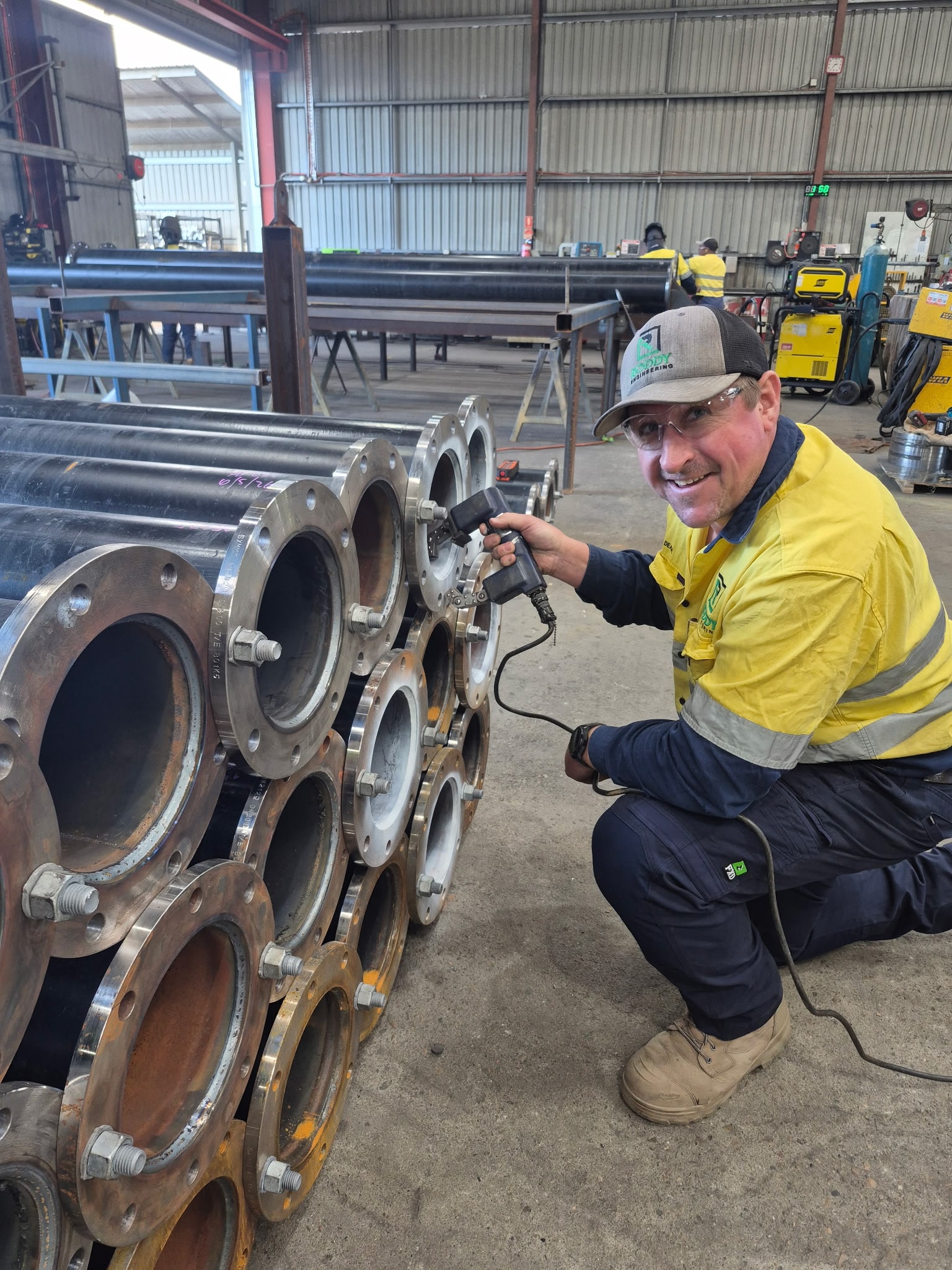
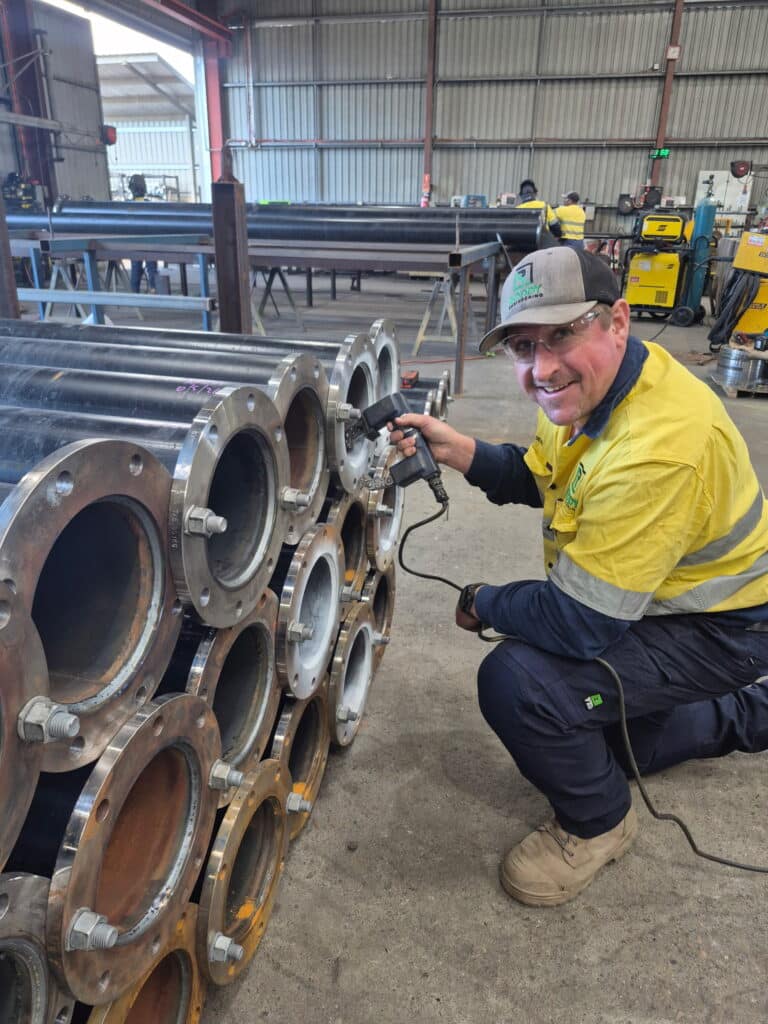
At Roddy Engineering, we consider NDT to be a very important aspect of the job process. It is crucial to ensure that our work has been tested and inspected before it leaves the workshop. This guarantees a high standard of quality is maintained in the work we produce.
NDT stands for Non-Destructive Testing. It’s a process of inspection methods used to examine materials, welds, and other components, without damaging them or affecting their future use. In fabrication and engineering, NDT allows us to confirm that our welds meet the required standards and are free of any defects that could compromise the safety or performance of the product.
These weld inspections are critical, as welded joints are often highly stressed components of a structure. If a weld fails, this can lead to breakdowns and costly or timely repairs, as well as possible injury. Testing the welds helps to prevent structural collapses, equipment failures, leaks and ruptures, unplanned shutdowns, and injuries or fatalities.
These inspections also provide peace of mind for our customers and clients. It provides them with the confidence that our product is safe, reliable, compliant, and built to last. For our customers, quality assurance is an investment in reliability and safety.
When we test our welds, there are many different types of defects that we look for to ensure the best result. Some of the most common weld defects that we test for include:
- Cracks – often the most serious defect because they can spread under pressure
- Porosity – gas pockets trapped in the weld
- Lack of fusion – where the weld metal has not properly fused to the parent material
- Lack of penetration – incomplete penetration through the joint
- Undercut – grooves melted into the parent material beside the weld
- Slag inclusions – trapped non-metallic material within the weld
- Overlap – weld metal flowing onto the surface without proper fusion
- Distortion or warping – caused by excessive heat input
It is important that we test for all possible defect types to make certain that nothing is missed, and each weld leaves our workshop at a safe and high standard.
There are many ways to test for these defects. The most common NDT methods that we use at Roddy Engineering are:
- Visual Inspection – The first and most important step. Many defects can be identified visually before more advanced testing is required.
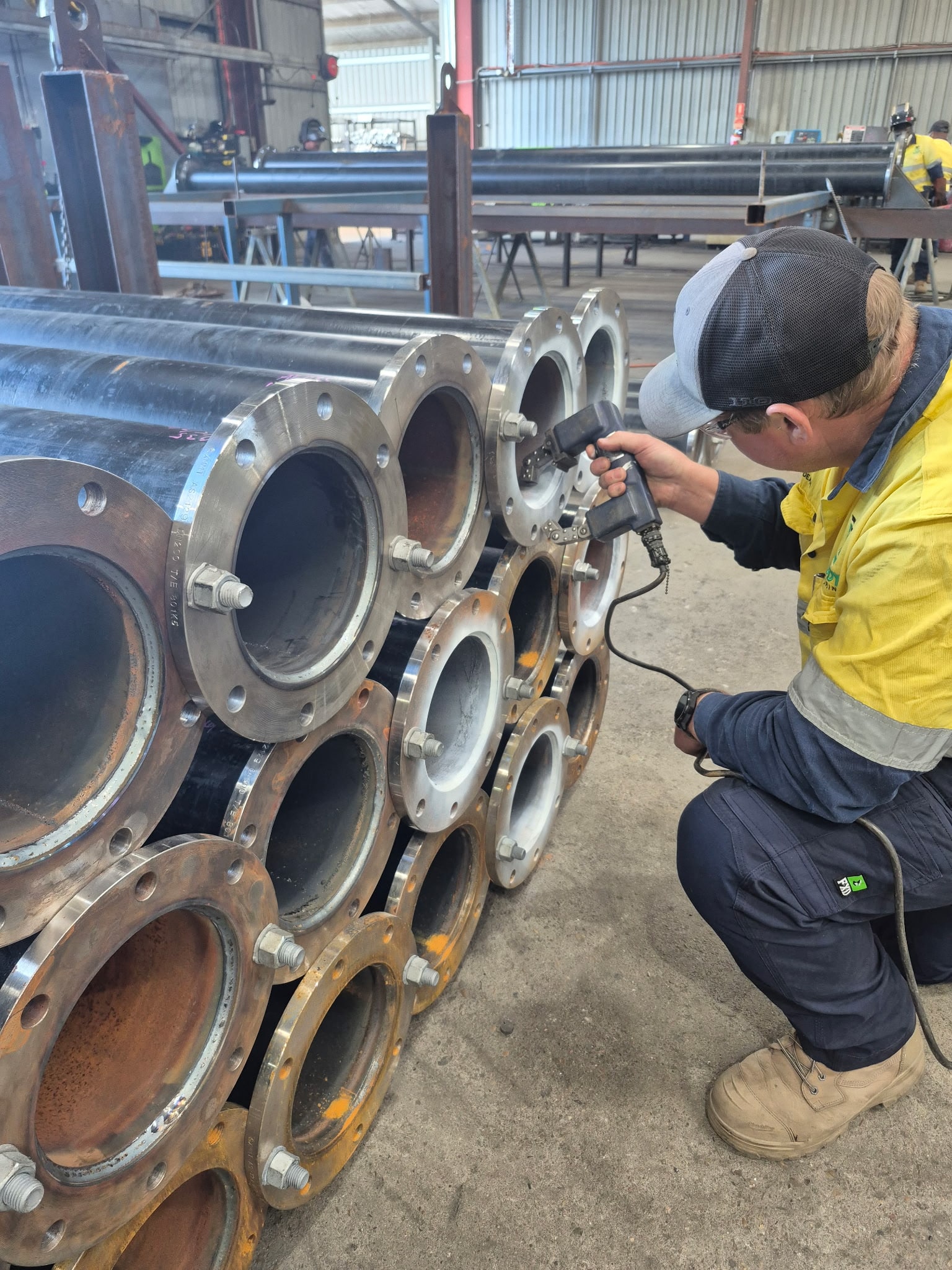
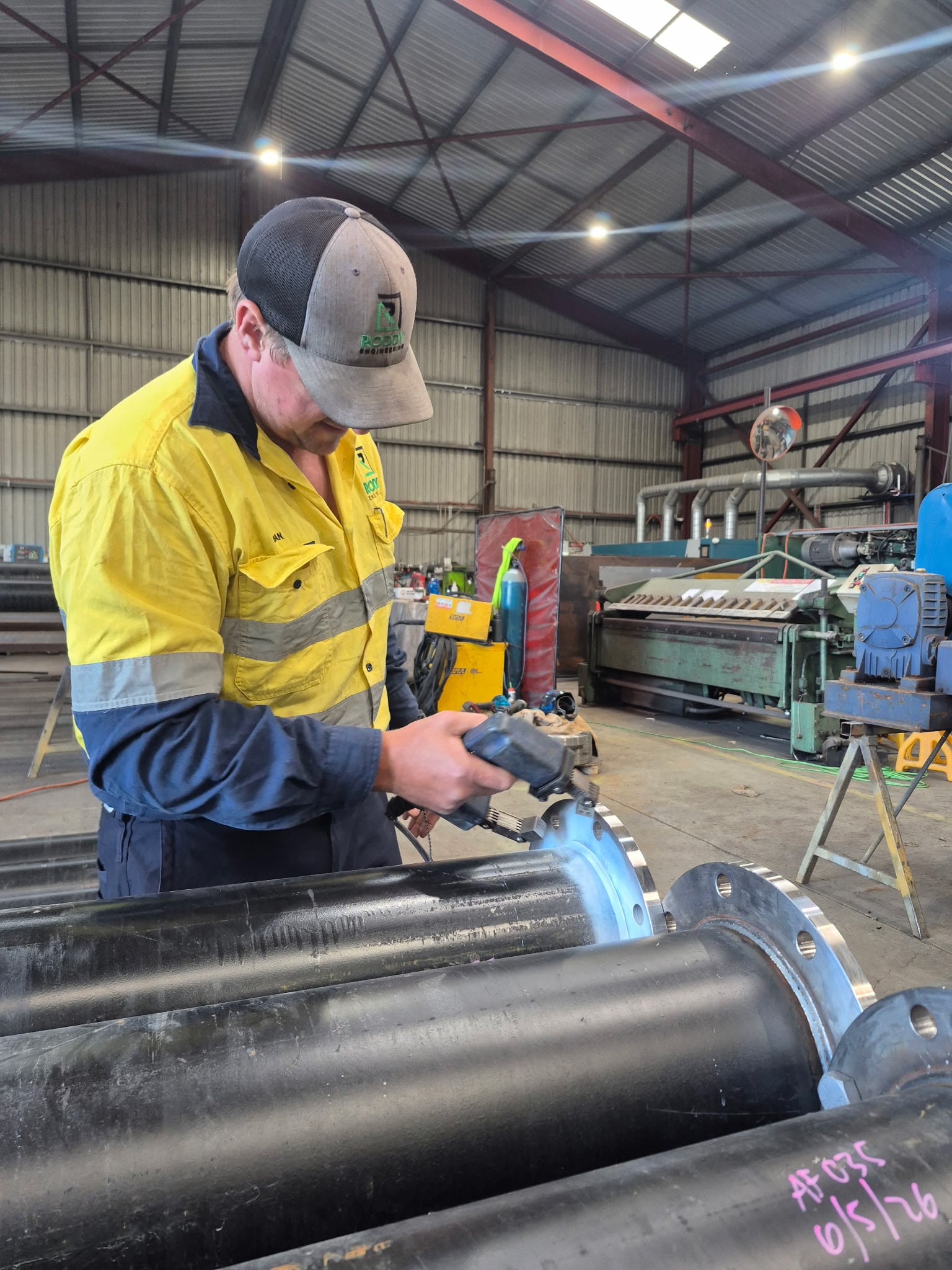
- Magnetic Particle Testing – Used on ferromagnetic materials to detect surface and near-surface cracks.
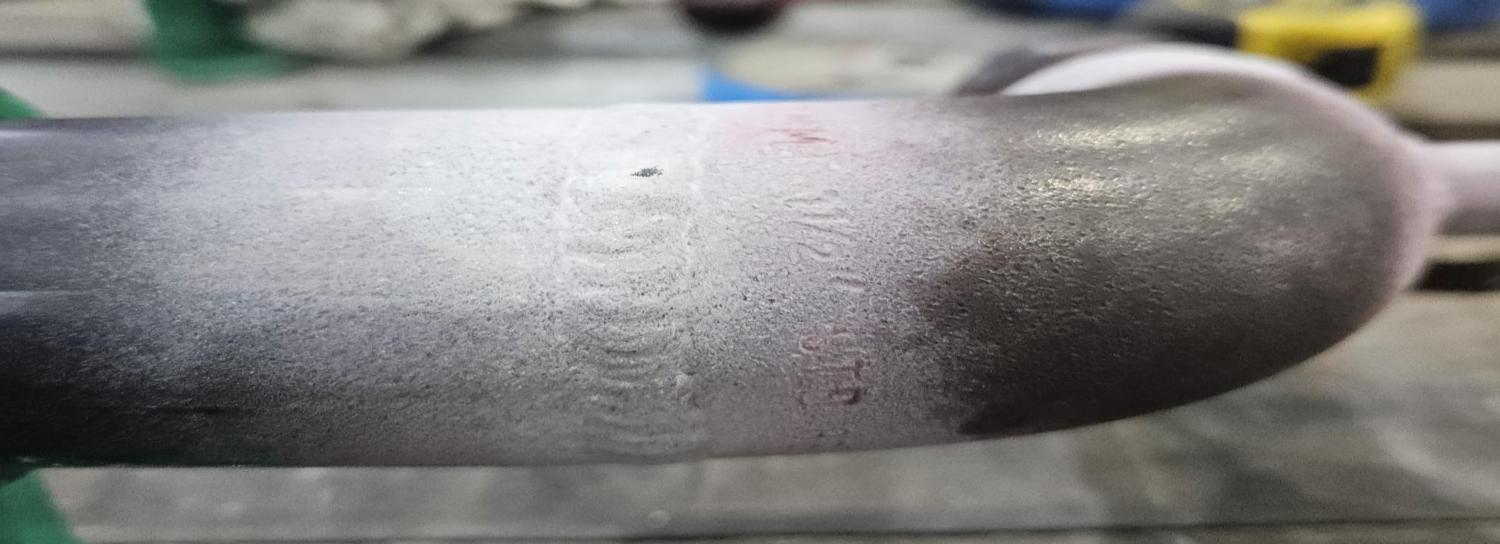
- Dye Penetrant Testing – Used to reveal surface-breaking defects in non-porous materials.
Roddy Engineering contracts a third party independent, NATA accredited Technician to carry out the technical side of NDT that we are not able to complete independently. This includes:
- Radiographic Testing – Uses radiation to capture images of internal weld defects.
- Ultrasonic Testing – Uses sound waves to detect internal flaws and measure weld integrity.
Each method has different benefits depending on the material, weld type, thickness, and criticality of the component.
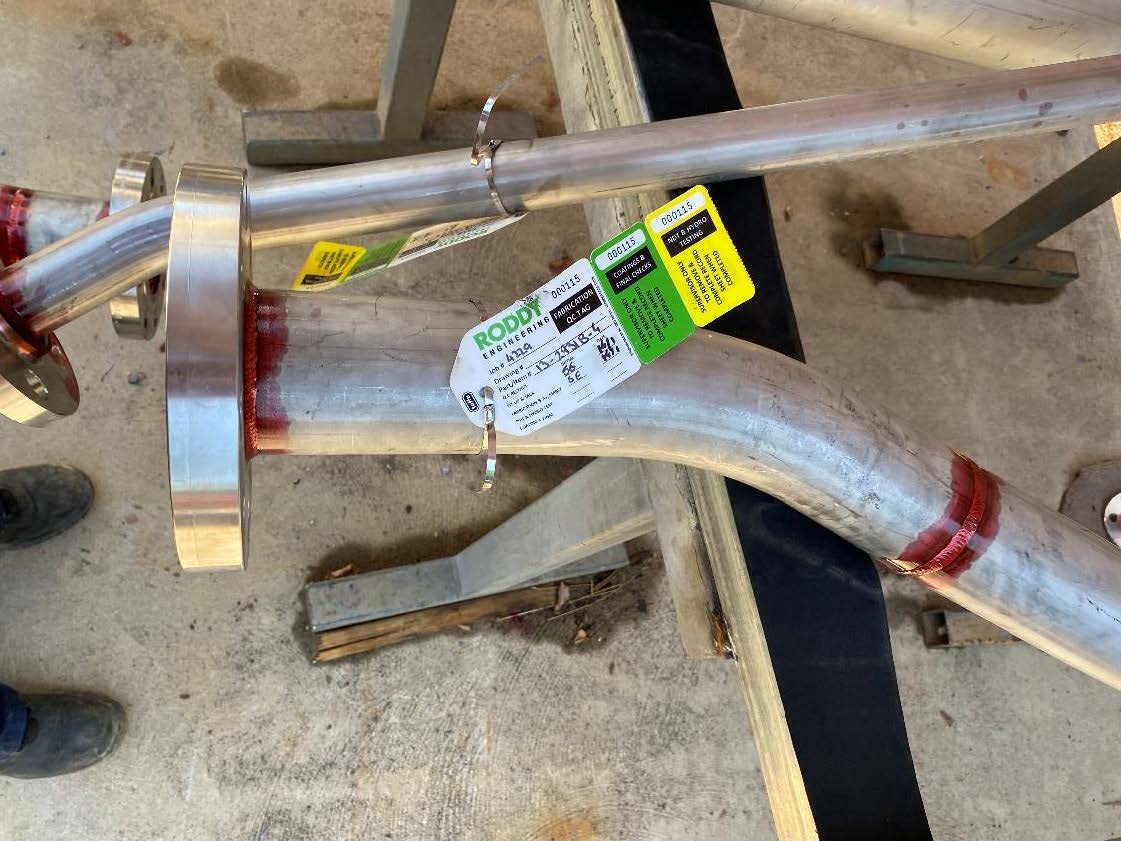
At Roddy Engineering, quality inspection is integrated throughout fabrication, and not just treated as an afterthought. This proactive approach helps maintain high standards across every stage of production.
Roddy Engineering stands by its products through a strong commitment to quality, workmanship, and thorough inspection processes. Every project is fabricated to meet strict engineering standards, with welds and components inspected throughout production to ensure safety, reliability, and long-term performance.
By maintaining high standards in fabrication, welding, and NDT, Roddy Engineering provides customers with confidence that the finished product is built to perform in demanding environments. The company’s focus on quality assurance, compliance, and attention to detail reflects its commitment to delivering dependable products and standing behind the work it produces.