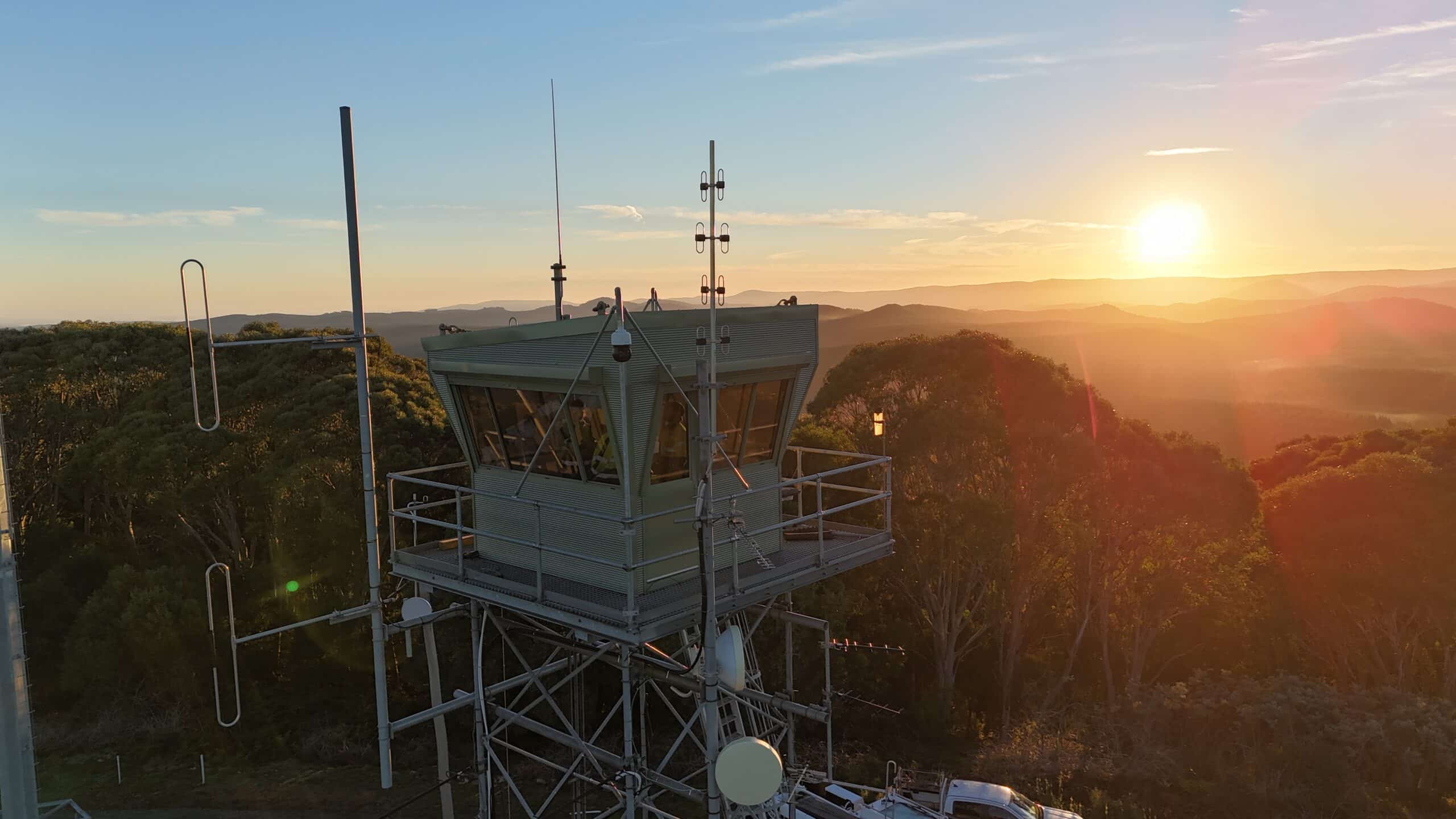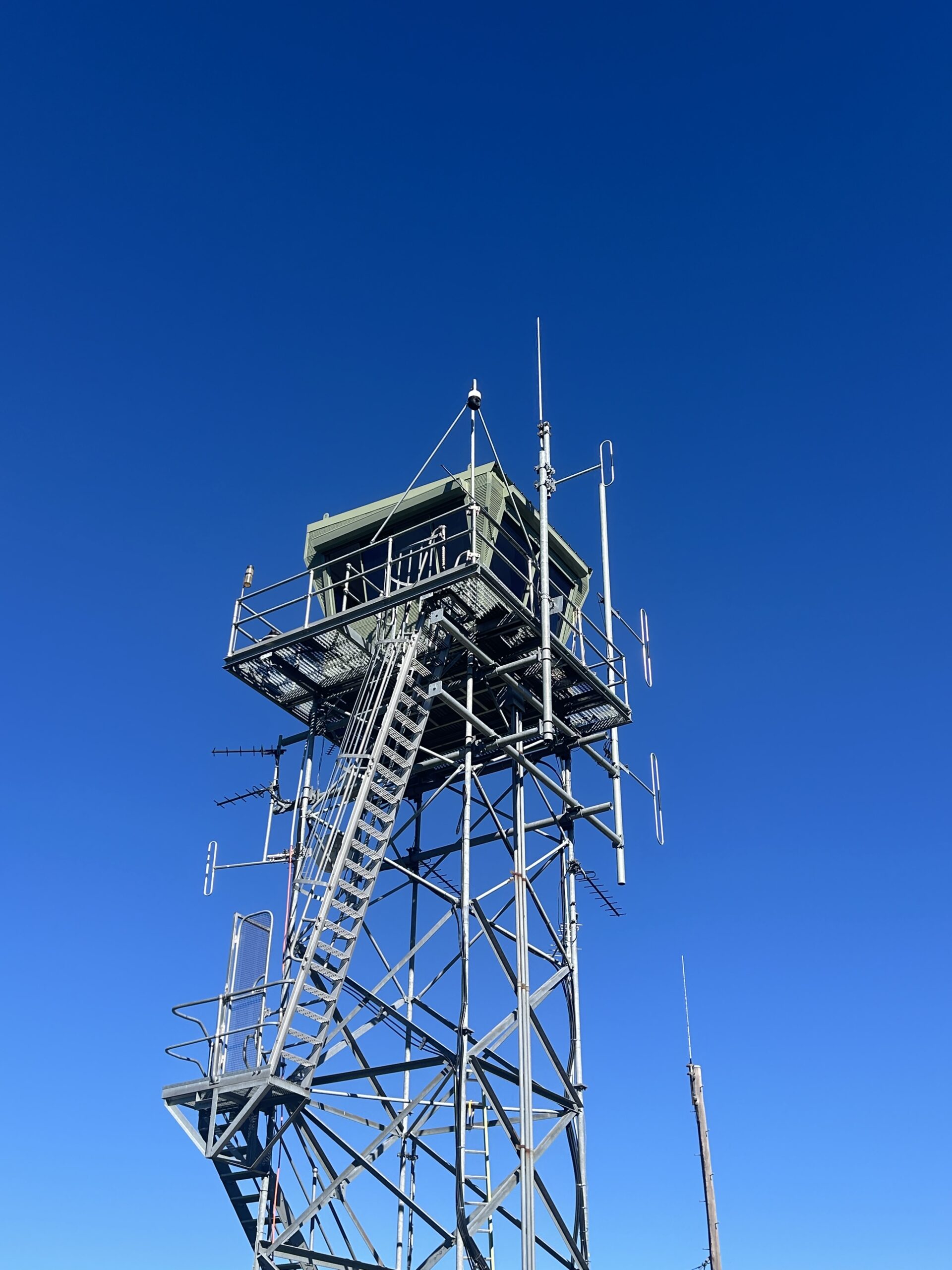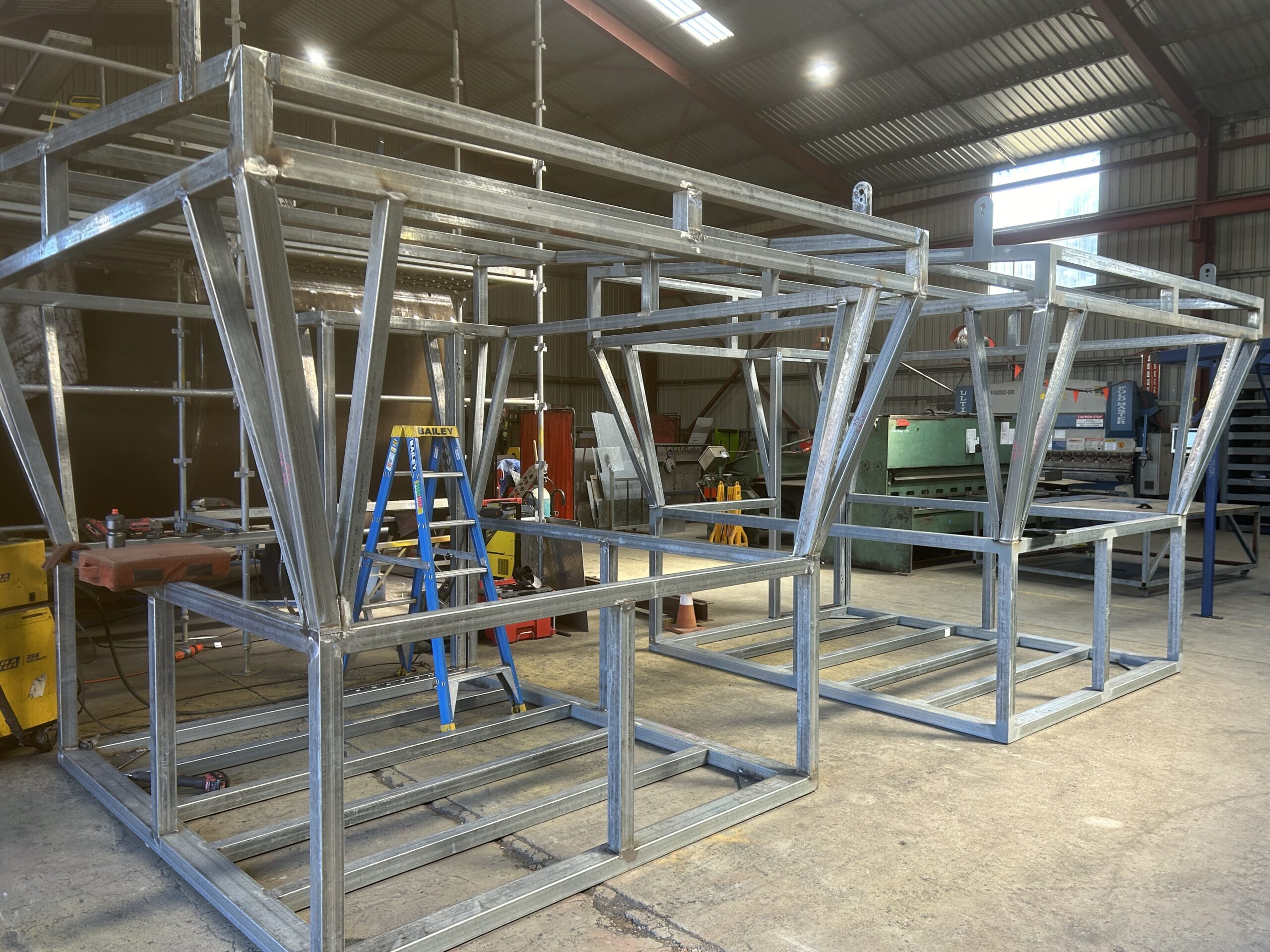
Roddy Engineering were engaged to fabricate and install five new fire watch cabins onto existing Forestry Corporation of NSW (FCNSW) Fire Watch Towers across a number of remote locations.
The project involved a complete scope of works, beginning with the design and drafting of the new cabins, along with engineering assessments of the existing tower structures. These assessments were undertaken to determine the condition and suitability of each tower and identify any structural modifications or strengthening works required to support the new cabins.
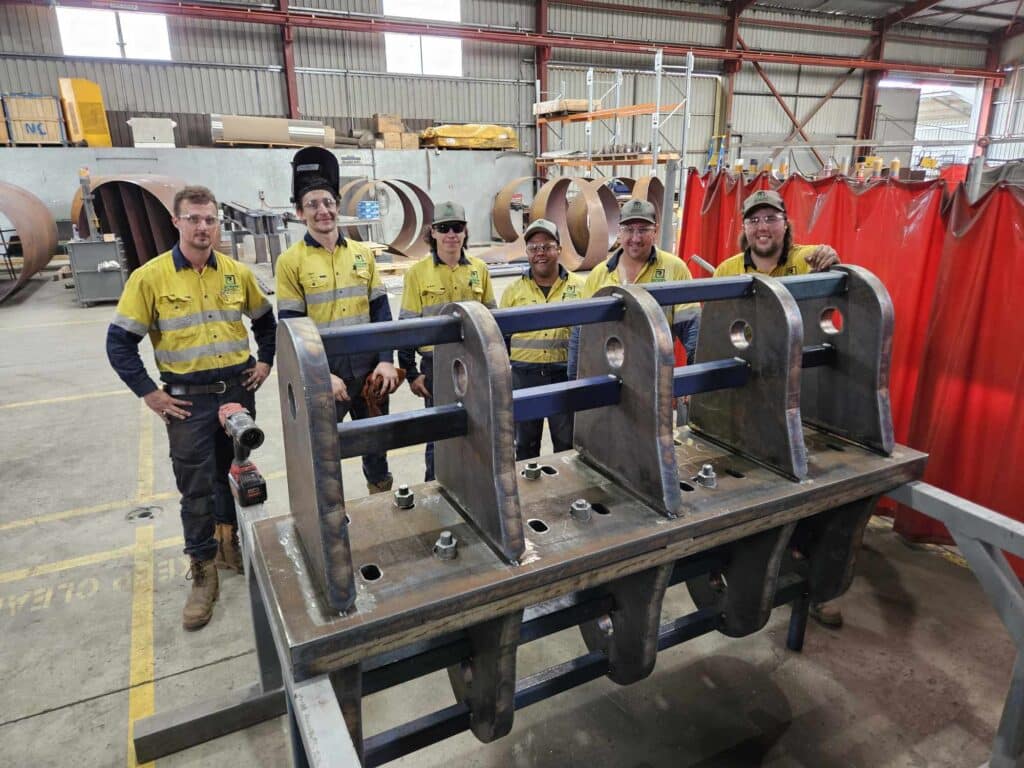
Each cabin was fabricated at Roddy Engineering’s workshop, where the majority of the fit-out was also completed prior to mobilisation. Completing these works off site allowed for greater control over fabrication and quality, while also reducing the amount of work required once crews arrived at the remote tower locations. Careful planning was required throughout the fabrication process to ensure each cabin could be transported, lifted and installed efficiently onto the existing structures.
As part of the quality assurance process, Non-Destructive Testing (NDT) was carried out on relevant fabricated components and welds to verify their quality and integrity without causing damage to the finished product. All required inspections and testing were completed and documented as part of the project’s overall quality requirements. To learn more about our NDT process, read our article, Non-Destructive Testing (NDT): What It Is and Why It Matters.
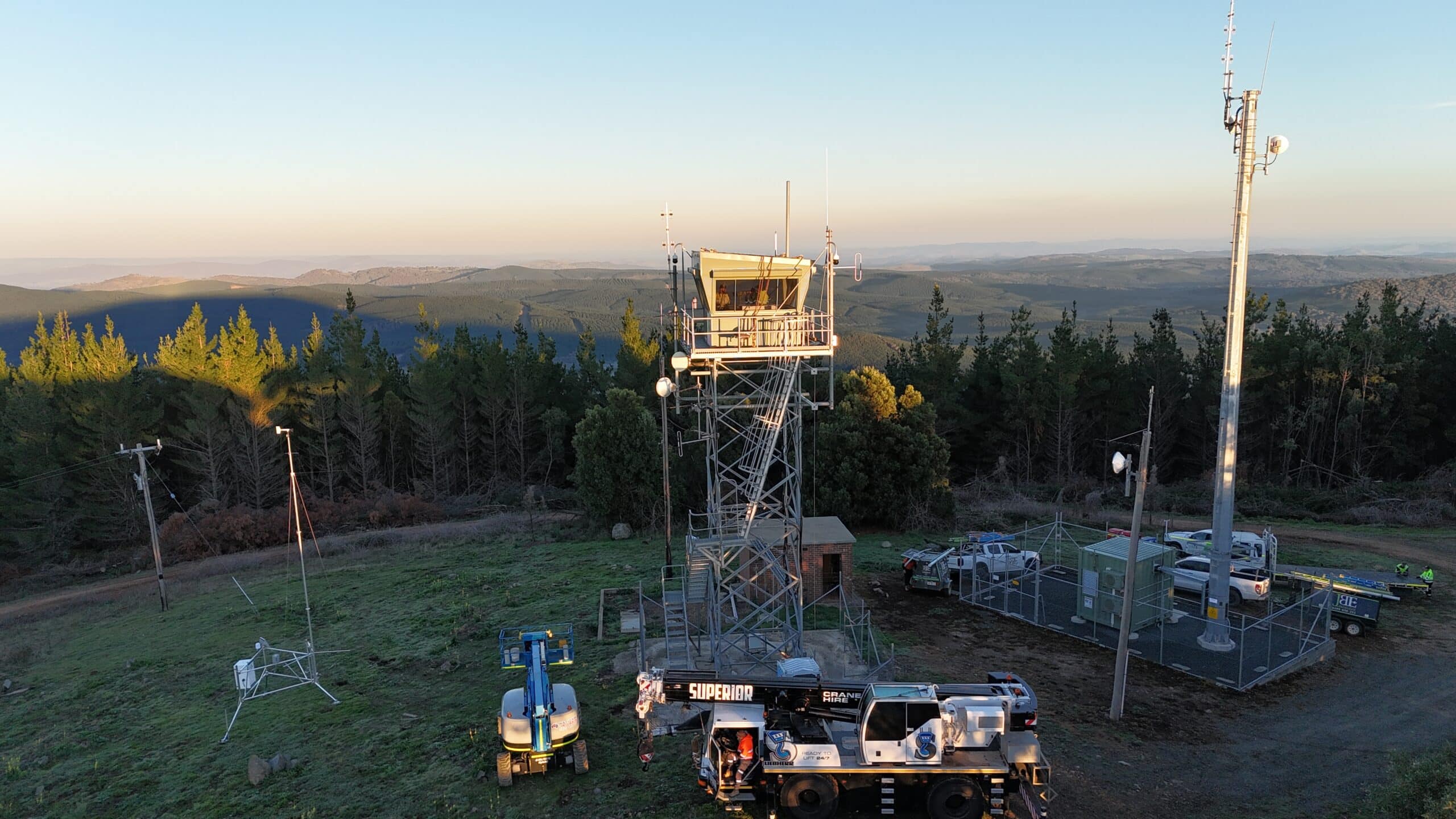
Once on site, the works involved the removal of the existing outdated fire watch cabins, preparing the towers for installation and completing any required structural improvements identified during the engineering assessment. The new cabins were then lifted into position using cranes and secured to the existing tower structures.
With the fire watch cabins positioned at significant heights, the installation presented a number of challenges. Works required multiple crane lifts, Elevated Work Platforms (EWPs) and working at heights, with each stage carefully coordinated to allow the cabins and associated components to be safely removed and installed. The remote nature of the sites also required additional consideration around access, equipment mobilisation, lifting operations and the sequencing of works.
Following installation, Roddy Engineering completed the remaining fit-out and commissioning activities, including associated electrical works and final connections. Structural strengthening and improvement works were also carried out where required, ensuring the existing towers were appropriately upgraded to accommodate the new cabins and continue operating as functional fire watch facilities.
The project required coordination across a range of disciplines, bringing together design, drafting, engineering, fabrication, structural works, crane operations, electrical works and site installation within a single scope. Particular attention was given to planning and safety due to the combination of remote working environments, working at heights and complex lifting operations.
The successful completion of the five cabin upgrades provided FCNSW with modernised fire watch facilities while retaining and improving the existing tower infrastructure. By completing the project from initial design and engineering assessment through to fabrication, installation and commissioning, Roddy Engineering were able to provide an end-to-end solution tailored to the requirements of each site.
The project is a strong example of Roddy Engineering’s capability to deliver complex fabrication and installation works in challenging environments, combining workshop fabrication with specialised site works to safely and efficiently deliver the finished structures.